

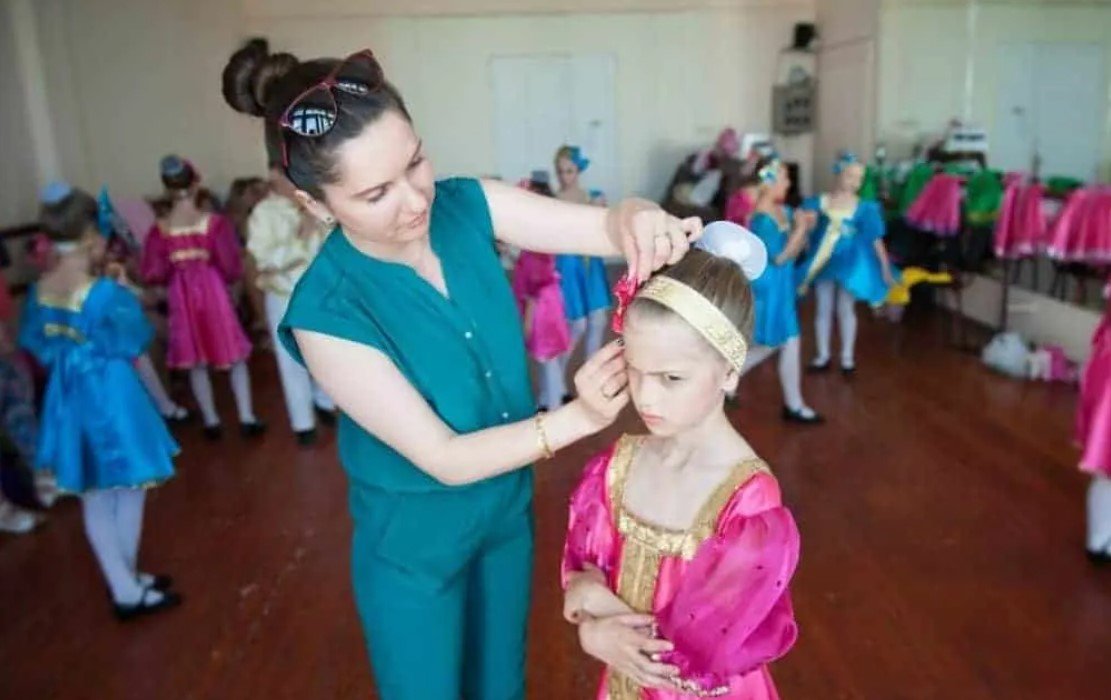
Walking into the world of dance for the first time can feel both magical and overwhelming. From tiny ballet slippers to studio schedules and recital rehearsals, dance has its own language and culture. As a new dance parent, you’re not just buying shoes and attending classes—you’re stepping into a community. Whether your child is starting ballet, jazz, tap, hip-hop, or creative movement, having the right knowledge from the start will make the journey smoother and more enjoyable. This guide offers the most important Tips For first-time dance Families so you can feel confident, prepared, and excited.
Understanding the Dance Studio Culture
Dance studios are more than classrooms—they’re communities. Parents and dancers build relationships, routines, and traditions together. Unlike other activities, dance requires a high level of discipline, consistency, and etiquette.
Know the Communication System
Most studios use email, apps, bulletin boards, or Facebook groups. Make sure you check communication channels regularly so you don’t miss class updates, costume info, or important notices.
Learn Studio Etiquette
- Keep studio spaces tidy
- Avoid entering classrooms unless asked
- Arrive a few minutes early
- Encourage respectful behavior
Understanding these expectations will ensure your family fits in smoothly.
Choosing the Right Class for Your Dancer
Not every beginner class is the same. Some studios offer recreational programs while others train for competitive dance or professional preparation.
Consider Age and Maturity
Young dancers thrive in classes that build confidence and motor skills. The goal should be to spark joy, not pressure them to perform.
Ask for Trial Classes
Many studios offer free or low-cost trial lessons. This is a great way to see if a class is a good fit before committing to a full season.
Understanding What You’re Paying For
Dance tuition is only part of the cost. New families are often surprised by the additional fees. Here are key expenses to prepare for:
Common Dance Costs
- Tuition
- Costumes
- Recital fees
- Registration fees
- Shoes and attire
- Optional competition or event costs
If you’re unsure, ask for a price breakdown early so there are no surprises later.
Dress Code and Dancewear Basics
Dancewear helps dancers move properly and creates a focused learning environment. Studios typically have dress codes based on discipline.
General Dancewear Guidelines
- Ballet: leotard, tights, ballet shoes, hair in bun
- Jazz: fitted top, leggings or shorts, jazz shoes
- Tap: fitted clothes, tap shoes
- Hip-hop: comfortable clothes, sneakers
Always purchase the correct type of shoes—ballet slippers and tap shoes are not interchangeable, even if they look similar.
Preparing for Recitals and Performances
Your dancer’s first recital is a milestone. It’s exciting—but it also requires planning.
What to Expect
- Multiple rehearsals
- Costume fittings
- Hair and makeup requirements
- Long performance days
Bring water, snacks, quiet activities, and emergency supplies (bobby pins, safety pins, extra tights.
The Importance of Attendance
Dance is cumulative—skills build week by week. Consistent attendance ensures your dancer doesn’t fall behind and supports the rest of the class.
Studio Attendance Etiquette
- Notify the studio if your dancer will miss class
- Avoid scheduling vacations during recital season
- Arrive on time or slightly early
These details matter because dance is a team-based art form.
Supporting Your Dancer Emotionally
A dancer’s journey comes with both achievements and challenges. Some days they’ll love class—other days they may feel frustrated.
How to Encourage Without Pressure
- Praise effort over perfection
- Avoid comparing them to other dancers
- Celebrate milestones (first recital, first split, etc.)
- Remind them, “everyone learns at their own pac.e”
Your support matters more than any technical skill.
Build Healthy Habits for Dance Success
Dance is physically demanding. Even at beginner levels, dancers need to develop habits that support flexibility, strength, and stamina.
Healthy Habits for Young Dancers
- Stay hydrated
- Eat nourishing food
- Sleep well, especially before big rehearsals
- Stretch at home if recommended by the teacher
Good habits early on build strong and confident dancers.
Get Involved (But Not Too Involved!
Being present in your dancer’s life is important, but so is giving them space to learn independently.
Ways to Support Positively
- Volunteer for the recital help if you have time
- Attend studio events
- Ask your dancer about class
- Support studio fundraisers (optional, but appreciated)
Avoid coaching from the sidelines. Let instructors do their job.
Knowing When to Ask Questions
Dance can be confusing at first—don’t be afraid to ask! Studio directors and teachers expect questions from new families.
Good Questions to Ask Early
- What is the class structure like?
- When are costume/ticket payments due?
- How do I contact the teacher if needed?
- What should I do if my child wants to change classes?
Clear communication prevents misunderstandings later.
Social Dynamics and Friendships
Dance class teaches life skills beyond technique—cooperation, discipline, responsibility, and teamwork.
Help Your Dancer Adjust Socially
- Encourage kindness toward classmates
- Remind them everythat one learns differently
- Avoid gossip or negative talk in the lobby
Dance friendships often last a lifetime—and yours might too!
Staying Flexible as a Parent
Even the best-planned seasons can come with schedule changes, injuries, or new opportunities. Flexibility is key.
Things may shift, and that’s okay. You’ll learn as you go—just like your dancer.
Final Thoughts
Becoming a dance parent is not just about driving to class or buying costumes—it’s about growing alongside your child as they discover artistry, confidence, and discipline. The most important thing is to enjoy the process, not just the performance.
By following these essential Tips For First dance Families, you’ll be one step ahead and ready for an exciting journey. From mastering hair buns to learning music counts, dance parenting is an adventure—and you’ll quickly see that every rehearsal, every costume change, and every proud smile is worth it.
