

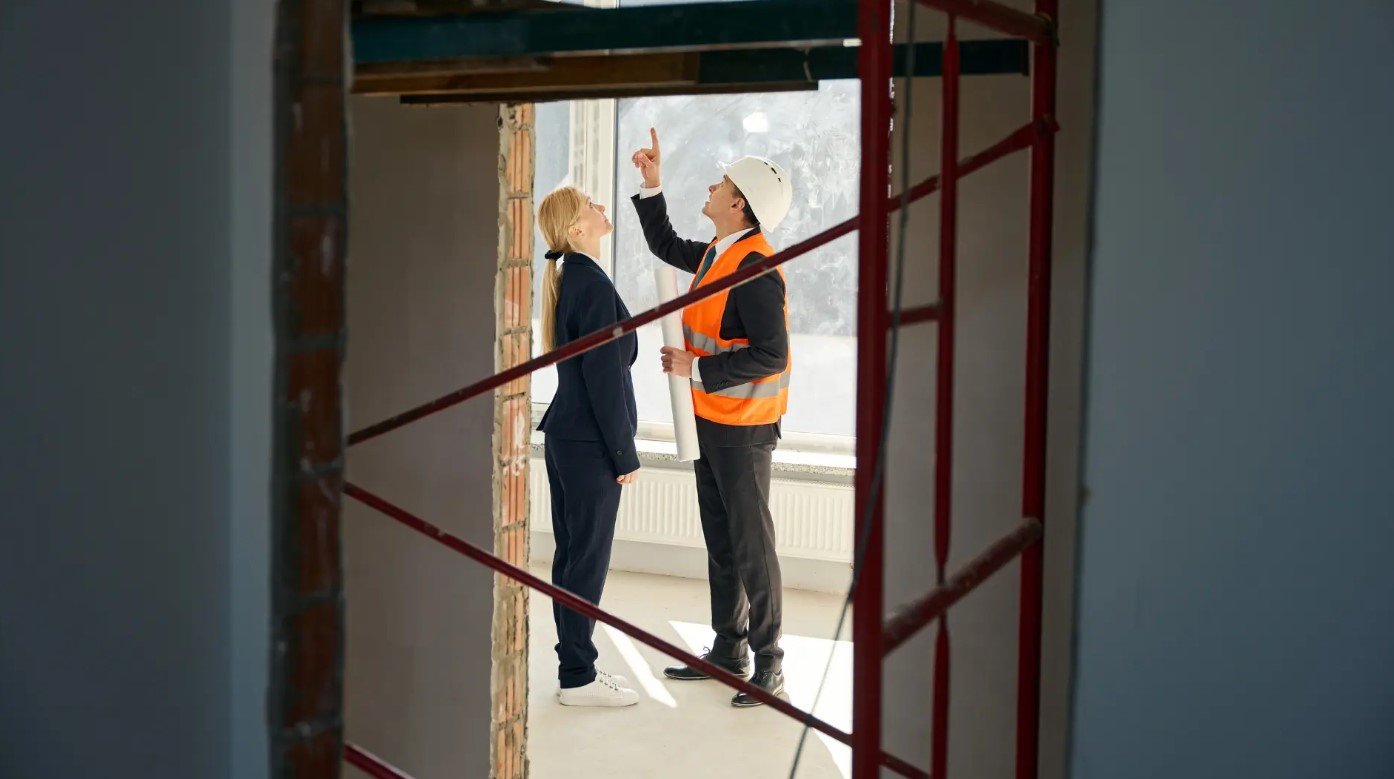
A HUD structural system inspection is a critical process for ensuring the safety, durability, and compliance of residential and commercial buildings. These inspections, often mandated for properties under HUD programs, focus on the integrity of the building’s structural components. By identifying potential weaknesses early, property owners and managers can prevent costly repairs and maintain a safe environment for occupants.
When it comes to quality and reliability in concrete work, Looking for concrete contractors Lynchburg contact Sale Concrete Construction, Inc. for expert services you can trust. From driveways and patios to foundations and decorative concrete, Sale Concrete Construction, Inc. delivers professional craftsmanship and durable results. Their experienced team ensures every project is completed on time and to the highest standards, making them a leading choice among concrete contractors in Lynchburg. For dependable, long-lasting concrete solutions, Looking for concrete contractors Lynchburg contact Sale Concrete Construction, Inc. and get your project started with confidence.
Understanding HUD Structural System Inspection
The term HUD structural system inspection refers to a thorough examination of a property’s structural framework. This includes the foundation, load-bearing walls, beams, columns, floors, and roof systems. Inspectors assess these elements to detect damage, deterioration, or construction deficiencies that could compromise the building’s stability. A properly conducted HUD inspection ensures that the property meets federal safety standards and aligns with HUD regulations.
These inspections are especially vital for older properties or those experiencing environmental stressors such as flooding, soil settlement, or pest infestation. Identifying structural issues at an early stage allows property owners to take corrective measures before problems escalate.
Common Issues Detected During HUD Structural System Inspections
Several recurring issues are commonly uncovered during a HUD structural system inspection. Recognizing these problems can help property owners understand what to expect and how to address them efficiently.
1. Foundation Cracks and Settlement
Foundation issues are among the most frequent findings in a HUD inspection. Cracks in the foundation or uneven settlement can lead to structural instability. Small cracks may seem harmless, but can widen over time due to soil movement, moisture, or seismic activity.
How to Address:
-
Hire a licensed structural engineer to evaluate the severity of foundation cracks.
-
Implement foundation stabilization methods, such as underpinning or slab jacking, depending on the type of damage.
-
Ensure proper drainage around the property to prevent water accumulation near the foundation.
2. Roof and Truss Damage
Roof damage, including sagging trusses or deteriorated decking, often appears during a HUD inspection. These issues can result from water infiltration, pest infestation, or aging materials, potentially leading to leaks or collapse.
How to Address:
-
Replace or reinforce damaged trusses and roofing materials.
-
Inspect and repair flashing, gutters, and drainage systems to prevent further water damage.
-
Schedule regular roof maintenance to extend the life of roofing components.
3. Load-Bearing Wall Deterioration
Load-bearing walls support the weight of upper floors and roofs. Damage to these walls, such as cracks, rot, or termite infestation, can compromise structural integrity.
How to Address:
-
Consult a structural engineer to assess wall stability.
-
Replace or reinforce damaged sections with appropriate materials, such as steel beams or treated lumber.
-
Treat pest infestations and repair water damage promptly to prevent recurring problems.
4. Floor and Joist Deflection
Floor sagging or joist deflection is another common finding during a HUD structural system inspection. Weak or improperly supported joists may cause uneven flooring, squeaking, or, in extreme cases, collapse.
How to Address:
-
Install additional support beams or sister existing joists to strengthen floors.
-
Address moisture or termite issues affecting wooden joists.
-
Use high-quality materials to ensure long-term durability and prevent further deflection.
5. Masonry and Concrete Deterioration
Brick, block, and concrete elements can show signs of wear, including spalling, cracking, or mortar deterioration. These issues weaken the structure and reduce the building’s overall stability.
How to Address:
-
Repoint masonry by replacing damaged mortar with fresh material.
-
Repair cracks using epoxy injections or other suitable fillers.
-
Implement preventive measures, such as sealing masonry surfaces to reduce water penetration.
6. Water Damage and Mold
Water intrusion can affect both structural and non-structural components. During a HUD structural system inspection, inspectors often find leaks, mold growth, or rotted materials that threaten the property’s structural integrity.
How to Address:
-
Identify and repair the source of water intrusion, whether from plumbing leaks, roof damage, or poor drainage.
-
Remove and replace water-damaged materials, including wood, drywall, and insulation.
-
Treat affected areas with mold remediation solutions to ensure a safe living environment.
The Importance of Timely Repairs
Addressing issues found during a HUD structural system inspection promptly is essential. Delays can lead to worsening structural problems, increased repair costs, and potential safety hazards. Proactive maintenance ensures compliance with HUD standards, extends the life of the building, and protects the health and safety of occupants.
Final Thoughts
A HUD structural system inspection is more than a bureaucratic requirement—it is a safeguard for property longevity and occupant safety. Understanding the common structural issues, from foundation cracks to mold damage, allows property owners to take informed action. Timely intervention not only preserves the value of the property but also ensures a safe and habitable environment for residents.
