

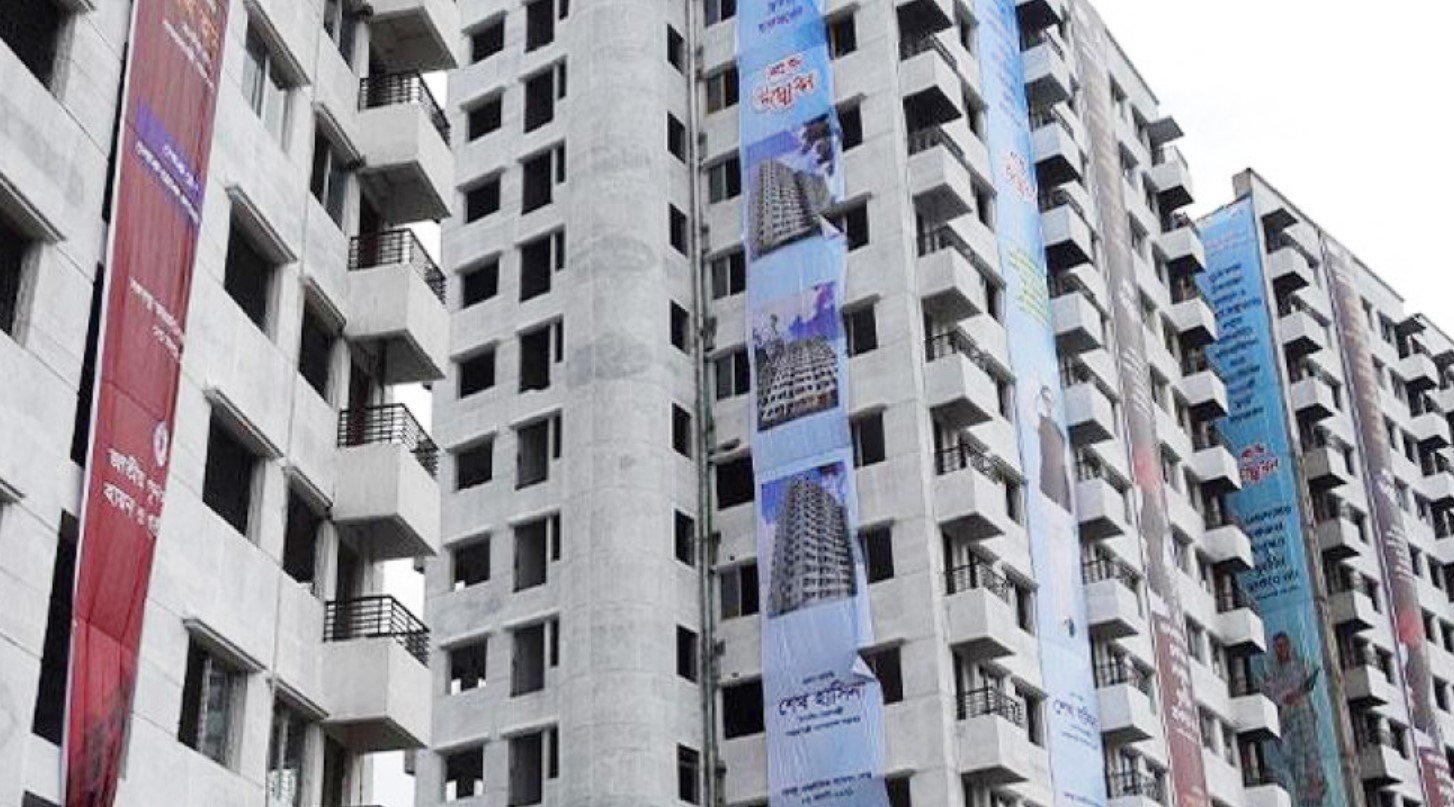
Public housing plays a crucial role in providing safe and affordable homes for families with limited income. However, maintaining and improving these housing units requires consistent investment and strategic planning. One of the most effective tools used in the United States and many housing authorities to support these improvements is Capital Fund Projects in Public Housing. These projects provide funding for renovations, infrastructure upgrades, modernization, and community-focused improvements that enhance the quality of life for residents.
Beyond simple building repairs, these initiatives help strengthen neighborhoods, promote economic stability, and create healthier living environments. By investing in the long-term sustainability of public housing communities, “Capital Fund Projects in Public Housing” contribute directly to broader community development and social well-being.
Understanding Capital Fund Projects in Public Housing
“Capital Fund Projects in Public Housing” refer to government-funded programs designed to support the development, rehabilitation, and modernization of public housing properties. These projects are typically managed by housing authorities and funded through national or regional housing programs.
The primary objective is to ensure that public housing units remain safe, functional, and sustainable for residents. Over time, buildings naturally experience wear and tear. Plumbing systems age, roofs require replacement, electrical infrastructure needs upgrading, and common areas must be improved to meet modern standards. Capital fund projects provide the financial resources necessary to address these needs.
Rather than allowing buildings to deteriorate, “Capital Fund Projects in Public Housing” focus on proactive maintenance and modernization. This approach protects public investments and ensures residents have access to secure and comfortable housing.
Improving Housing Quality and Safety
One of the most immediate benefits of “Capital Fund Projects in Public Housing” is the improvement of housing quality and safety. Many public housing developments were built decades ago, and without proper upgrades, they can become outdated or unsafe.
Through these projects, housing authorities can replace aging infrastructure such as roofs, elevators, plumbing systems, and electrical wiring. Modern fire safety systems, improved lighting, and stronger structural components significantly reduce risks for residents.
Safe housing is the foundation of a healthy community. When residents live in secure and well-maintained environments, they experience lower stress levels and greater peace of mind. As a result, families can focus on education, employment, and personal growth rather than worrying about unsafe living conditions.
Enhancing Community Infrastructure
Housing developments are not just buildings; they are communities. “Capital Fund Projects in Public Housing” often include improvements to shared spaces and infrastructure that benefit everyone in the neighborhood.
Common improvements may include:
-
Renovation of community centers
-
Upgraded playgrounds and recreational areas
-
Improved sidewalks and landscaping
-
Enhanced accessibility for people with disabilities
These upgrades encourage social interaction and strengthen neighborhood connections. When residents have access to safe recreational spaces and well-maintained community facilities, they are more likely to participate in local activities and build stronger relationships with their neighbors.
Over time, this leads to more cohesive and supportive communities.
Supporting Economic Stability
Another important benefit of “Capital Fund Projects in Public Housing” is their contribution to economic stability within communities. Construction, renovation, and modernization projects create employment opportunities for contractors, technicians, and local workers.
These projects often require skilled labor such as electricians, plumbers, carpenters, and construction managers. As a result, local businesses and workers benefit from increased economic activity.
Additionally, well-maintained housing attracts more investment and helps stabilize property values in surrounding areas. When public housing developments are properly maintained and modernized, they become valuable community assets rather than neglected spaces.
Economic stability within housing communities also allows residents to focus on career development and financial independence.
Promoting Energy Efficiency and Sustainability
Sustainability has become an essential focus in modern housing development. “Capital Fund Projects in Public Housing” frequently include upgrades designed to improve energy efficiency and reduce environmental impact.
Some common improvements include:
-
Energy-efficient windows and insulation
-
Modern heating and cooling systems
-
Water-saving plumbing fixtures
-
Solar energy installations
These upgrades reduce energy consumption and lower utility costs for housing authorities and residents. Lower energy expenses mean more resources can be allocated to other essential services and community programs.
At the same time, environmentally friendly upgrades contribute to global sustainability efforts by reducing carbon emissions and conserving natural resources.
Strengthening Resident Well-Being
Quality housing directly affects physical and mental health. Poor living conditions can contribute to respiratory issues, stress, and other health problems. “Capital Fund Projects in Public Housing” address these challenges by improving indoor environments and eliminating health hazards.
For example, modernization projects often remove mold, lead-based paint, and outdated ventilation systems. Improved lighting, better air circulation, and upgraded sanitation infrastructure create healthier living spaces.
When residents live in clean and well-maintained homes, they experience improved well-being and greater overall satisfaction with their living environment.
Healthy residents also contribute more actively to their communities, creating a positive cycle of community development and engagement.
Encouraging Long-Term Community Development
Perhaps the most significant advantage of “Capital Fund Projects in Public Housing” is their long-term impact on community development. These projects do more than repair buildings—they create the foundation for thriving neighborhoods.
Modernized housing developments can serve as centers of opportunity where residents gain access to educational programs, employment resources, and social services. Improved infrastructure and community spaces encourage collaboration between residents, local organizations, and housing authorities.
When public housing communities receive consistent investment and thoughtful planning, they evolve into stable, vibrant neighborhoods that support families for generations.
Conclusion
The role of Capital Fund Projects in Public Housing extends far beyond building maintenance. These initiatives represent strategic investments in people, communities, and long-term social progress.
By improving housing safety, upgrading infrastructure, promoting sustainability, and strengthening local economies, “Capital Fund Projects in Public Housing” play a vital role in shaping healthier and more resilient communities. Residents benefit from improved living conditions, while neighborhoods gain stronger social connections and economic opportunities.
