

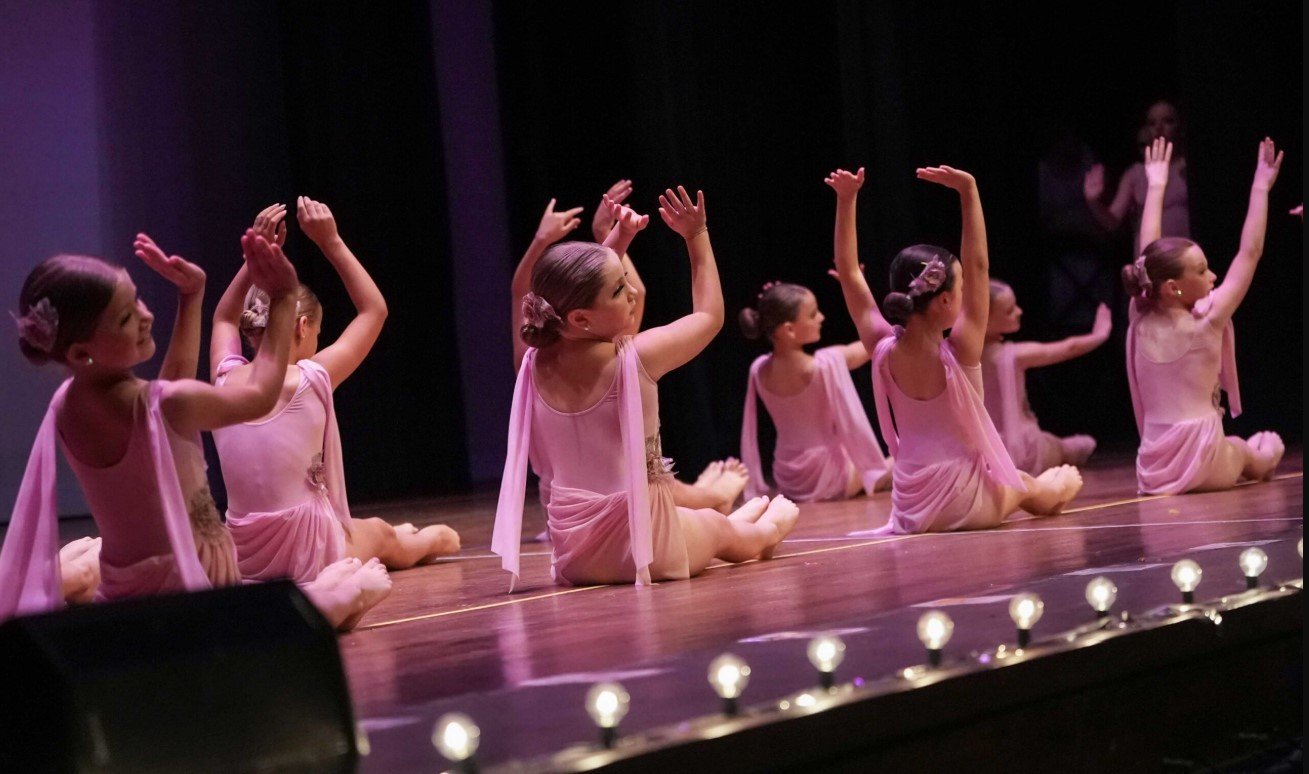
Children often express their emotions in ways words cannot fully capture. Dance becomes a powerful outlet where imagination, music, and movement come together. Among the many dance styles available for young learners, lyrical dance stands out as a beautiful blend of technique and storytelling. Parents and teachers are increasingly drawn to this style because it nurtures both creativity and emotional growth in children.
Table of Contents
ToggleWHAT IS LYRICAL DANCE FOR KIDS?
WHAT IS LYRICAL DANCE FOR KIDS? It is a dance style that combines elements of ballet and jazz, allowing children to express emotions through fluid, graceful movements. Unlike strictly structured dance forms, lyrical dance focuses on storytelling and connecting deeply with the music. Kids learn to interpret lyrics and melodies through their body movements, creating a performance that feels natural and expressive.
This style is typically performed to songs with meaningful lyrics, often encouraging children to explore feelings such as joy, sadness, excitement, or hope. Because of its expressive nature, lyrical dance helps children develop not just physical skills but also emotional intelligence.
Key Elements of Lyrical Dance
1. Emotional Expression
Lyrical dance emphasizes conveying feelings through movement. Children learn to connect with the music and express emotions authentically, making each performance unique.
2. Fluid Movements
Movements in lyrical dance are smooth, continuous, and graceful. Transitions between steps are soft, giving the dance a flowing and elegant appearance.
3. Storytelling
Each dance tells a story. Kids are encouraged to imagine scenarios or emotions and bring them to life through their choreography.
4. Technique Foundation
While expressive, lyrical dance still relies heavily on ballet techniques such as balance, posture, and flexibility, along with jazz elements like turns and leaps.
Benefits of Lyrical Dance for Kids
Physical Development
Lyrical dance helps improve flexibility, strength, coordination, and balance. As children practice different movements, their overall body control becomes stronger.
Emotional Growth
One of the biggest advantages of lyrical dance is emotional development. Kids learn how to express feelings in a healthy and creative way, which can boost confidence and self-awareness.
Creativity and Imagination
Lyrical dance encourages children to think creatively. They are often given the freedom to interpret music in their own way, which helps develop imagination.
Confidence Building
Performing in front of others builds self-esteem. Children feel proud when they master a routine and share their performance with an audience.
Musical Awareness
Kids become more in tune with rhythm, lyrics, and musical phrasing, helping them develop a deeper appreciation for music.
How Lyrical Dance Differs from Other Styles
Lyrical vs Ballet
Ballet is highly structured with strict techniques and positions, while lyrical dance allows more freedom and emotional interpretation.
Lyrical vs Jazz
Jazz dance is energetic and rhythmic, often focusing on sharp movements. Lyrical, on the other hand, is softer and more expressive.
Lyrical vs Contemporary
Contemporary dance shares similarities with lyrical but often includes more abstract movements. Lyrical is usually more connected to song lyrics and storytelling.
Ideal Age to Start Lyrical Dance
Children can begin learning lyrical dance as early as 5 to 7 years old, depending on their coordination and interest. At younger ages, classes focus more on basic movement and musicality rather than complex choreography.
As kids grow older, they can gradually learn advanced techniques such as turns, leaps, and emotional expression in performances.
What Kids Learn in a Lyrical Dance Class
Warm-Up Exercises
Classes usually begin with stretching and warm-up routines to improve flexibility and prevent injuries.
Basic Techniques
Children learn foundational skills like posture, balance, and simple ballet movements.
Across-the-Floor Practice
This includes traveling steps such as leaps, turns, and transitions across the studio.
Choreography
Students learn routines set to music, focusing on expressing emotions and telling a story.
Performance Skills
Teachers guide kids on facial expressions, stage presence, and connecting with the audience.
Choosing the Right Lyrical Dance Class
When selecting a dance class for your child, consider the following:
-
Qualified Instructors: Look for teachers with experience in both ballet and lyrical dance.
-
Positive Environment: A supportive and encouraging atmosphere helps children feel comfortable.
-
Age-Appropriate Training: Ensure the class matches your child’s skill level and age.
-
Performance Opportunities: Recitals and shows can motivate kids and boost confidence.
Tips for Parents
Encourage Practice at Home
Allow your child to practice routines and explore movements freely. This builds confidence and creativity.
Focus on Enjoyment
While improvement is important, the primary goal should be fun and self-expression.
Support Their Performances
Attend recitals and celebrate your child’s progress to keep them motivated.
Provide Proper Gear
Comfortable dancewear and appropriate shoes can enhance performance and prevent injuries.
Common Misconceptions About Lyrical Dance
It’s Only for Advanced Dancers
Many believe lyrical dance is too complex for beginners, but it can be adapted for all skill levels.
It Requires Perfect Technique
While technique is important, emotional expression matters just as much in lyrical dance.
It’s Just Slow Dancing
Lyrical dance involves a range of movements, including jumps and turns, not just slow motions.
Why Kids Love Lyrical Dance
Children are naturally expressive, and lyrical dance gives them the perfect platform to showcase their emotions. The combination of music, movement, and storytelling makes it engaging and enjoyable. Kids often feel a sense of freedom in this style, as they are not confined to rigid rules.
The emotional connection they build with the music also makes performances more meaningful, helping them develop a lifelong love for dance.
Final Thoughts
WHAT IS LYRICAL DANCE FOR KIDS? It is more than just a dance style—it is a creative journey that blends technique with emotion. Through lyrical dance, children gain physical strength, emotional awareness, and artistic expression. Whether your child dreams of performing on stage or simply wants a fun and meaningful activity, lyrical dance offers a beautiful way to grow and shine.
Encouraging your child to explore this expressive art form can open doors to confidence, creativity, and a deeper connection with music and movement.
