

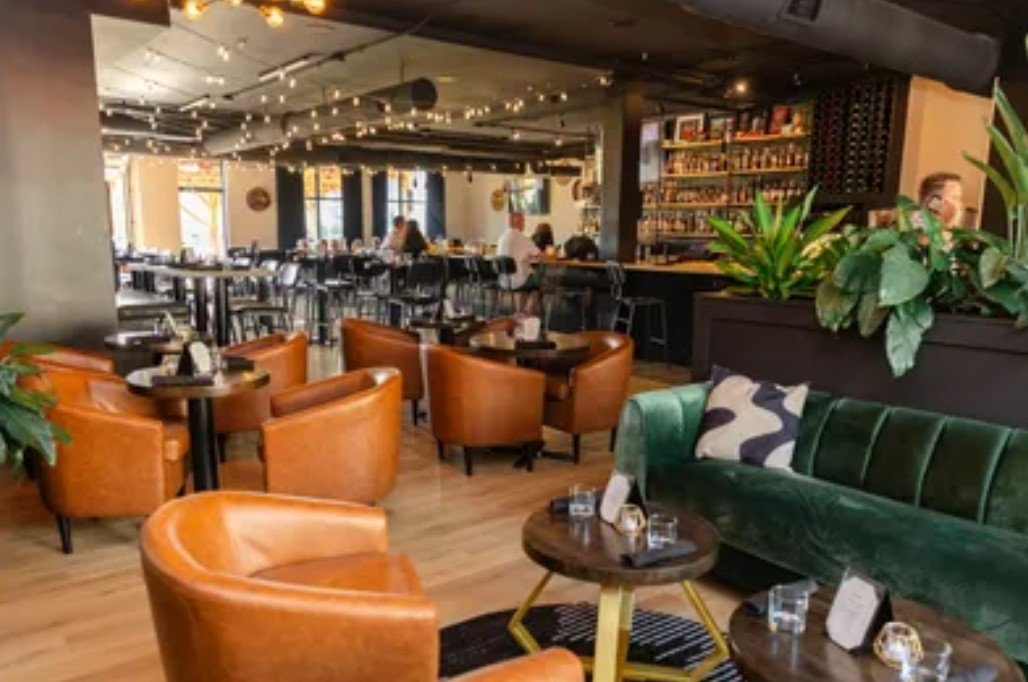
A successful restaurant is more than just a place to eat—it’s a destination where people create memories. In a highly competitive industry, restaurants must go beyond serving good food to stand out. Creating a memorable dining experience is the key to building customer loyalty and long-term success.
La Villa is an italian restaurant Lynchburg, VA.
The Power of First Impressions
First impressions matter a lot in the restaurant business. From the moment customers walk in, they start forming opinions. A warm welcome, clean surroundings, and an inviting atmosphere can instantly set a positive tone.
The design and layout of the restaurant also play a significant role. Comfortable seating, appealing decor, and proper lighting contribute to a pleasant first impression.
Quality of Food
At the heart of every great restaurant is its food. High-quality ingredients, skilled chefs, and consistent taste are essential for customer satisfaction. Presentation also matters—beautifully plated dishes enhance the overall experience.
Restaurants that focus on freshness and authenticity often gain a strong reputation. Customers are more likely to return when they know they can expect the same great taste every time.
Exceptional Customer Service
Service is one of the most important elements of a memorable dining experience. Friendly, attentive, and knowledgeable staff can make customers feel valued. Simple gestures like greeting customers with a smile or remembering their preferences can leave a lasting impression.
Handling complaints professionally is equally important. A well-managed response can turn a negative experience into a positive one.
Creating a Unique Atmosphere
Every successful restaurant has a unique identity. Whether it’s a cozy café, a fine dining establishment, or a themed restaurant, creating a distinct atmosphere helps attract customers.
Music, lighting, and decor should align with the restaurant’s concept. A well-designed environment enhances the dining experience and makes it more enjoyable.
Consistency is Key
Consistency is what keeps customers coming back. From food quality to service standards, everything should remain reliable. Customers appreciate knowing what to expect when they visit a restaurant.
Maintaining consistency requires proper training, quality control, and efficient management. Even small inconsistencies can affect customer satisfaction.
Personalization and Customer Engagement
Modern restaurants are focusing more on personalization. Remembering regular customers, offering customized dishes, or celebrating special occasions can make guests feel special.
Engaging with customers through social media and feedback platforms also helps build strong relationships. Listening to customer suggestions shows that their opinions matter.
Cleanliness and Hygiene
Cleanliness is non-negotiable in the restaurant industry. A clean environment not only ensures safety but also builds trust. From dining areas to kitchens, maintaining high hygiene standards is essential.
Customers are more likely to return to a restaurant where they feel safe and comfortable.
Innovation and Creativity
Innovation keeps a restaurant exciting and relevant. Introducing new dishes, seasonal menus, or unique dining concepts can attract more customers. Creativity in food and presentation adds an element of surprise and delight.
Restaurants that adapt to changing trends are more likely to succeed in the long run.
Building Emotional Connections
Memorable dining experiences often involve emotional connections. Celebrating birthdays, anniversaries, or special moments at a restaurant creates lasting memories.
Restaurants that focus on creating these emotional experiences build strong customer loyalty. People tend to return to places where they have happy memories.
Conclusion
Creating a memorable dining experience requires a combination of great food, excellent service, and a welcoming atmosphere. Restaurants that focus on these elements not only attract customers but also retain them.
In the end, it’s the overall experience—not just the meal—that determines whether customers will come back. By prioritizing quality, consistency, and customer satisfaction, restaurants can build a loyal customer base and achieve long-term success.
