

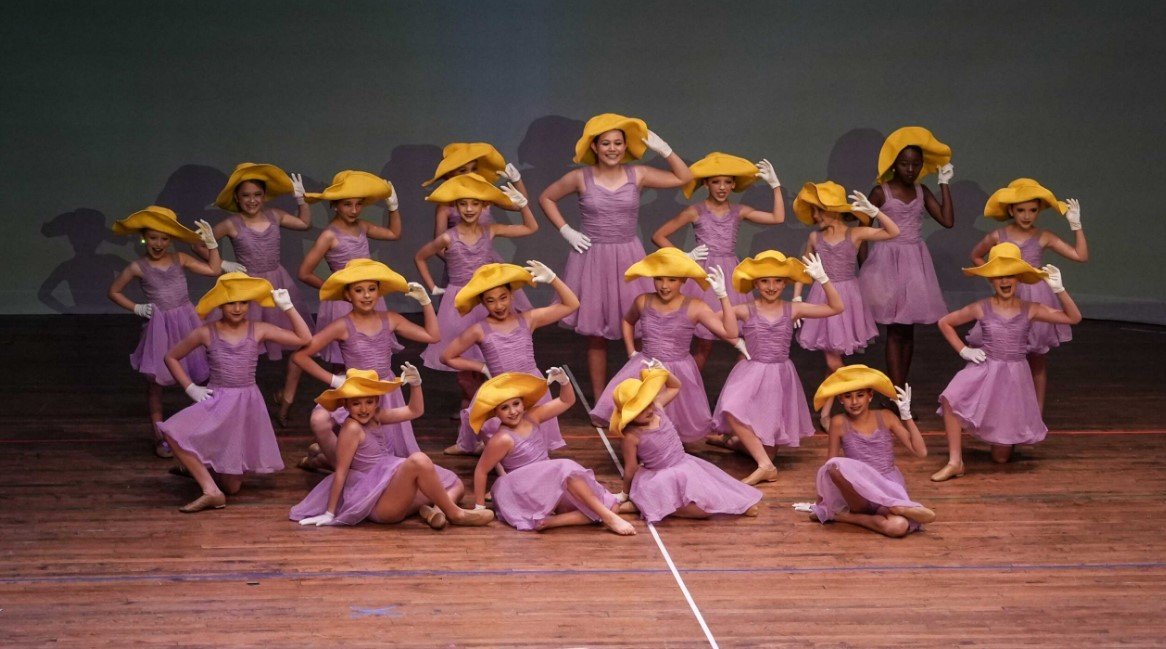
Dance competitions bring excitement, creativity, and intense preparation to the stage. Dancers spend months perfecting routines, costumes, timing, and stage presence before stepping under the spotlight. Yet many performers and parents still ask the same question: How does dance competition scoring work? Understanding the judging process can help dancers improve performances, prepare strategically, and feel more confident during competitions.
From technique and choreography to musicality and presentation, judges evaluate several important categories when determining scores. Every competition may use slightly different systems, but the core principles are generally similar across the industry.
Understanding the Basics of Dance Competition Scoring
When asking “How does dance competition scoring work?”, the first thing to know is that competitions use score sheets or digital systems where judges assign points based on specific criteria. These scores are combined to determine rankings, placements, and special awards.
Most competitions have multiple judges, usually three to five. Each judge scores independently to ensure fairness and balance. Final scores are then averaged or totaled to create the official result.
Competitions often divide entries by:
- Age group
- Dance style
- Solo, duet, trio, or group performance
- Skill level
- Studio category
This helps ensure dancers compete against performers with similar experience and age ranges.
Main Categories Judges Evaluate
Technique
Technique is one of the most heavily weighted scoring categories. Judges analyze how well dancers execute movements with control, accuracy, and proper body placement.
Technical scoring may include:
- Flexibility
- Turns and leaps
- Balance
- Footwork
- Posture
- Precision
- Timing
A technically strong routine demonstrates clean movement and excellent training. Even highly entertaining performances can lose points if technical execution is weak.
When people ask, “How does dance competition scoring work?”, technique is usually the foundation of the answer because it carries significant value in almost every competition format.
Performance Quality and Stage Presence
Dance is not only about movement accuracy. Judges also want performers to connect emotionally with the audience.
Performance quality includes:
- Facial expressions
- Confidence
- Energy
- Character portrayal
- Emotional storytelling
- Audience engagement
A dancer who captures attention and performs with authenticity can often stand out, even in a highly competitive division.
Strong stage presence shows maturity and professionalism. Judges appreciate dancers who remain expressive from beginning to end.
Choreography Evaluation
Choreography scoring focuses on creativity, originality, and how effectively movements fit the music and theme.
Judges may examine:
- Variety of movement
- Transitions
- Use of stage space
- Creativity
- Formation changes
- Visual impact
A routine that looks repetitive or predictable may score lower than one featuring innovative choreography and thoughtful staging.
When discussing “How does dance competition scoring work?”, choreography matters because it reflects both the choreographer’s artistic vision and the dancer’s ability to bring that vision to life.
Musicality and Timing
Musicality refers to how well dancers interpret and synchronize with the music. Judges carefully watch whether movements align with beats, accents, lyrics, and emotional changes within the song.
High musicality includes:
- Staying on beat
- Matching movement quality to music
- Dynamic energy shifts
- Smooth rhythm transitions
Even technically difficult choreography can lose points if timing is inconsistent.
Music choice itself can also influence overall impressions. Appropriate song selection enhances storytelling and audience engagement.
Costume and Presentation
Although dance ability remains the primary focus, costumes and presentation also contribute to scoring in many competitions.
Judges may notice:
- Costume appropriateness
- Grooming
- Theme consistency
- Professional appearance
- Visual coordination
A polished presentation creates a stronger overall performance package. However, flashy costumes alone cannot compensate for weak dancing.
Difficulty Level and Execution
Competitions reward routines that balance difficulty with control. Dancers performing advanced tricks, complex combinations, and demanding choreography may earn higher marks if executed successfully.
However, judges usually prefer:
- Clean execution over risky mistakes
- Strong basics over excessive tricks
- Controlled performance over chaos
This is important when understanding “How does dance competition scoring work?” because difficulty alone does not guarantee victory. Quality matters more than quantity.
Common Dance Competition Scoring Systems
Different competitions use different point scales. Some use 100-point systems, while others may score out of 300 or 500 combined points.
A common 100-point scoring breakdown might look like this:
| Category | Possible Points |
|---|---|
| Technique | 40 |
| Performance | 20 |
| Choreography | 20 |
| Musicality | 10 |
| Overall Impression | 10 |
Scores are then averaged across all judges.
Many competitions also award adjudication levels such as:
- Platinum
- High Gold
- Gold
- Silver
These recognitions are based on score ranges rather than ranking alone.
How Rankings Are Determined
After scores are finalized, routines are ranked within their division. Highest scores receive top placements.
Typical rankings include:
- Overall High Score
- Runner-Up
- Top 10 Awards
- Specialty Awards
In some events, ties may occur. Competitions usually have tie-breaking procedures, such as comparing technique scores or overall impression categories.
The answer to “How does dance competition scoring work?” becomes clearer when dancers understand that placements depend not only on personal performance quality but also on the strength of competing entries.
Specialty Awards and Judge Recognition
Besides overall rankings, judges often present special awards recognizing unique qualities.
Examples include:
- Best Costume
- Entertainment Award
- Best Technique
- Judges’ Choice
- Choreography Award
- Emotional Execution Award
These honors celebrate performances that leave memorable impressions, even if they do not place first overall.
The Role of Bias and Subjectivity
Dance scoring combines objective analysis with subjective interpretation. While technical errors can be measured clearly, artistic preference naturally varies among judges.
One judge may prefer emotional contemporary performances, while another favors technical jazz routines.
To reduce bias, competitions use:
- Multiple judges
- Standardized score sheets
- Diverse judging panels
- Averaged scoring systems
Understanding this subjectivity helps dancers avoid discouragement. A lower score does not necessarily mean a poor performance.
How Dancers Can Improve Competition Scores
Dancers who want stronger results should focus on continuous improvement in all scoring categories.
Helpful strategies include:
Consistent Training
Regular classes strengthen technique, flexibility, and endurance.
Performance Practice
Practicing facial expressions and stage confidence helps improve presentation.
Video Review
Watching recorded performances reveals timing issues and technical mistakes.
Listening to Judge Feedback
Most competitions provide critiques or score sheets. These comments can guide future improvement.
Clean Execution
Perfecting simple choreography often scores better than struggling through advanced tricks.
When dancers truly understand “How does dance competition scoring work?”, they can train more effectively and approach competitions with realistic expectations.
Why Dance Competition Scoring Matters
Scoring systems are designed to encourage growth, discipline, and artistic development. While trophies and rankings feel rewarding, the real value lies in feedback and performance experience.
Competitions help dancers:
- Build confidence
- Develop stage presence
- Learn teamwork
- Handle pressure
- Improve artistry
- Gain professional discipline
Judging systems provide structured evaluation that motivates dancers to refine their skills year after year.
Final Thoughts
So, how does dance competition scoring work? The process combines technical evaluation, artistic interpretation, performance quality, musicality, and overall presentation. Judges carefully analyze every detail to reward routines that demonstrate both skill and emotional impact.
Although every competition may have slightly different scoring methods, the goal remains the same: recognizing dancers who balance technique, creativity, and performance excellence. By understanding how scoring works, dancers can focus on meaningful improvement rather than simply chasing trophies.
