

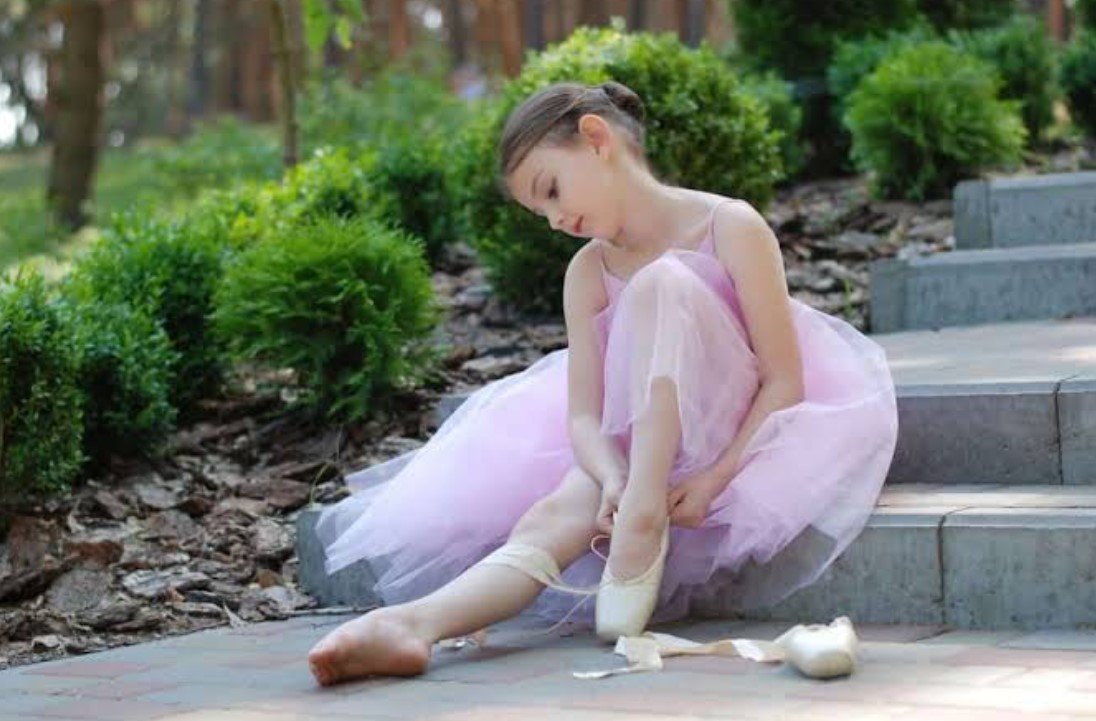
Starting dance classes is an exciting step, whether you are learning ballet, jazz, tap, hip-hop, ballroom, or another style. As a beginner, it is easy to focus on learning moves and remembering choreography while overlooking one important part of your dance experience: your footwear. The right shoes can improve comfort, support proper movement, and help you feel more confident during every class.
Fortunately, finding Dance shoes for beginners does not have to mean spending a large amount of money. Affordable options are available for nearly every dance style, but choosing wisely is important. A cheap pair that fits poorly or does not suit your class may quickly become uncomfortable and need replacement. Understanding what to look for can help beginners make a smart purchase without exceeding their budget.
Why the Right Dance Shoes Matter
Dance involves movements that ordinary shoes are not always designed to support. Depending on the style, dancers may need flexibility, grip, smooth turning ability, ankle support, or protection for specific parts of the foot.
For example, ballet dancers need shoes that allow them to point and articulate their feet, while tap dancers need shoes with securely attached taps. Jazz and ballroom shoes are often designed to make turns easier, whereas hip-hop dancers may require comfortable sneakers with appropriate support and flexibility.
Choosing suitable Dance shoes for beginners can make the learning process safer and more comfortable. Proper footwear may also help beginners understand the correct technique because the feet can move more naturally for the style being practiced.
Start by Knowing Your Dance Style
Before buying any shoes, find out exactly what your dance class requires. Different styles have different footwear needs, and one pair of shoes is not suitable for every type of dance.
Ballet
Beginners usually start with soft ballet slippers made from canvas or leather. Canvas is often a more affordable choice and is lightweight and flexible. Your instructor may recommend a specific color, sole style, or design, so check before purchasing.
Jazz
Jazz shoes generally have a flexible sole and a close fit. Split-sole designs can offer greater flexibility, while full-sole options may provide more structure for newer dancers.
Tap
Tap shoes include metal taps attached to the heel and toe. Beginners do not always need the most expensive professional model. An affordable, well-made pair with securely fastened taps is usually enough for learning basic rhythms and techniques.
Hip-Hop
Many hip-hop classes allow clean athletic sneakers, although some studios have specific footwear recommendations. Look for shoes that are comfortable, supportive, and flexible enough for movement.
Ballroom or Latin Dance
These shoes often feature soles that make it easier to glide and turn on appropriate dance floors. Beginners should focus on comfort, stability, and a secure fit rather than buying an expensive competition shoe immediately.
Focus on Fit Before Price
A low price may seem attractive, but an uncomfortable shoe is rarely a good bargain. When shopping for Dance shoes for beginners, fit should always be one of your main priorities.
Dance shoes often fit differently from everyday footwear. Some styles are designed to fit closely, while others require a small amount of extra room. Avoid assuming that your regular shoe size will automatically be correct.
Try the shoes on whenever possible. Check whether your toes feel cramped, whether your heel slips, and whether the shoe allows the movements required for your dance style. If buying online, carefully review the brand’s sizing guide and return policy.
A properly fitting affordable shoe is usually a better choice than an expensive shoe in the wrong size.
Choose Quality Over Fancy Features
Beginners do not usually need professional-level footwear packed with advanced features. Instead, look for basic quality.
A good pair should have:
- Strong stitching and secure construction
- A sole appropriate for the dance style
- Comfortable material that does not cause excessive rubbing
- A secure fit around the foot
- Enough flexibility for required movements
- Reliable straps, laces, or closures
Avoid paying extra simply because a shoe has a famous brand name or an attractive appearance. Basic, well-constructed Dance shoes for beginners can provide everything needed during the early stages of training.
Set a Realistic Budget
Before shopping, decide how much you are comfortable spending. Dance footwear prices can vary significantly, and setting a budget helps narrow your choices.
Keep in mind that the cheapest option is not always the most affordable in the long term. A poorly made shoe may wear out quickly, creating the need for another purchase. On the other hand, beginners may not need premium shoes designed for professional performances or competitions.
The best approach is to find a balance between price, durability, and comfort. Look for reputable entry-level models rather than automatically choosing either the cheapest or most expensive option.
Consider Used or Discounted Shoes Carefully
Sales, clearance sections, and secondhand options can help reduce costs. This can be especially useful for children, who may quickly outgrow their dance shoes.
However, inspect used shoes carefully. Check the soles, stitching, straps, heels, and overall shape. Shoes that are heavily worn may no longer provide proper support or may affect movement.
Some types of footwear are better purchased new, particularly when hygiene, structural condition, or specialized components are important. If buying secondhand, choose shoes that are clean and still in good condition.
Ask Your Dance Instructor for Advice
One of the easiest ways to avoid wasting money is to ask your instructor before making a purchase. They can tell you whether a specific shoe is required and whether a basic beginner model will work.
Some studios have rules regarding color, material, heel height, or shoe style. Buying before checking these requirements could mean purchasing a pair you cannot use in class.
Your instructor may also know which affordable brands or local dance stores offer reliable beginner options. This advice can make shopping for Dance shoes for beginners much simpler.
Take Care of Your Shoes
Proper care can help affordable shoes last longer. Air them out after class, keep them clean, and avoid wearing them outdoors unless they are designed for that purpose. Outdoor surfaces can quickly damage dance soles and bring dirt onto studio floors.
Store your shoes in a dry place and inspect them regularly for loose stitching, worn soles, or damaged closures. Taking a few minutes to care for your footwear can protect your investment and delay the need for replacement.
Conclusion
Finding affordable dance footwear is mainly about making practical choices. Beginners should first understand their dance style, follow their instructor’s requirements, prioritize a proper fit, and choose reliable construction over unnecessary features.
The best Dance shoes for beginners are not necessarily the most expensive ones. A comfortable, properly fitted, durable pair that supports the movements you are learning can be an excellent investment. By comparing options, setting a sensible budget, and caring for your shoes properly, you can begin your dance journey with confidence while keeping costs under control.
