

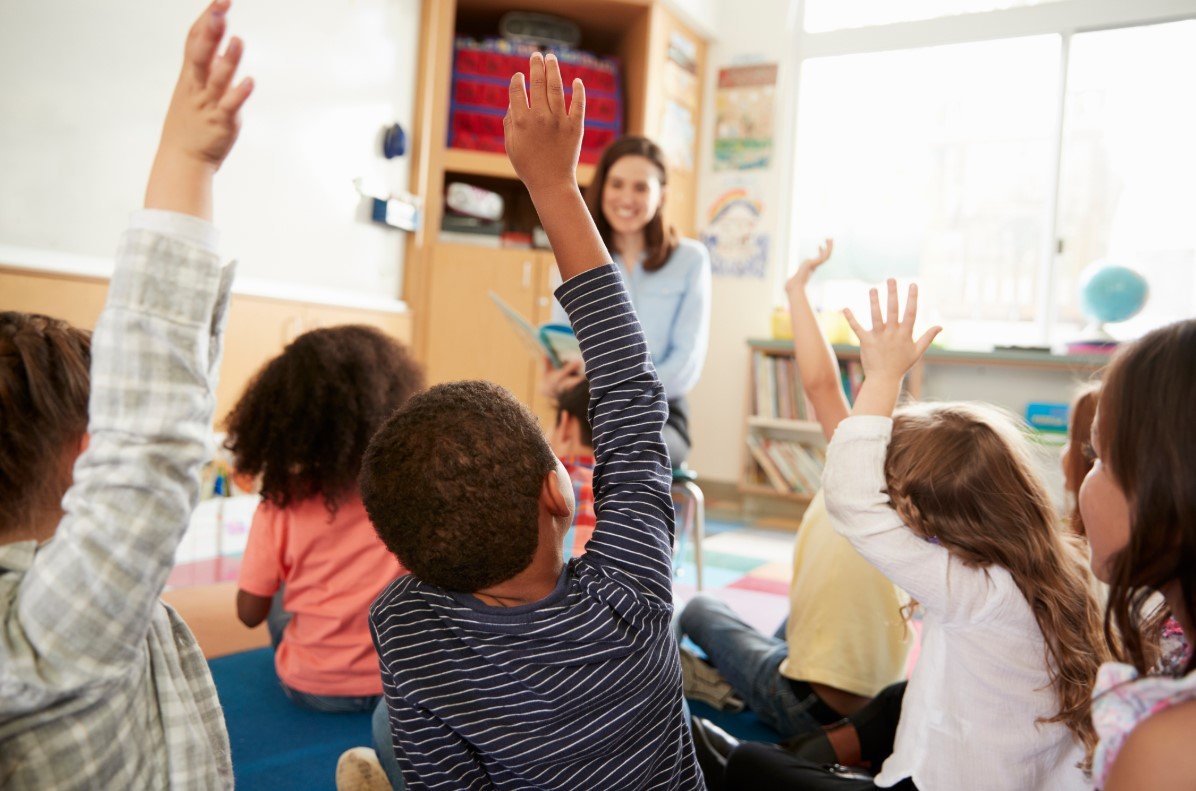
Every student has the ability to grow, discover new strengths, and make meaningful contributions when given the right opportunities. Education becomes more effective when learners are not simply told what to do but are encouraged to think, participate, make decisions, and take responsibility for their progress. Empowering students creates an environment where young learners can develop confidence while building the academic and personal skills they need for the future.
A supportive classroom can make students feel that their opinions matter and that mistakes are a natural part of learning. When students are trusted with meaningful responsibilities, they gradually become more independent, motivated, and willing to take on challenges. This approach benefits not only individual learners but also the entire learning community.
What Does Empowering Students Mean?
Empowering students means giving learners appropriate opportunities to have a voice in their education, make choices, solve problems, and take ownership of their learning. It does not mean allowing students to make every decision without guidance. Instead, teachers provide structure while giving learners enough independence to develop their own abilities.
For example, a teacher might allow students to choose a research topic, select how they present a project, or work together to establish classroom expectations. These simple choices can help students understand that their decisions have value and consequences.
Building Confidence Through Responsibility
Confidence develops when students experience success and recognize that their efforts can produce positive results. Giving learners age-appropriate responsibilities provides opportunities to experience this process.
A student who leads a group discussion, organizes a class activity, or presents an assignment may initially feel uncertain. With encouragement and practice, however, the student can become more comfortable speaking, organizing ideas, and interacting with others. These experiences gradually strengthen self-belief.
Empowering students also teaches them that confidence does not require being perfect. Students can learn that making a mistake does not mean they are incapable. Instead, mistakes can provide useful information about what they should try differently next time.
Encouraging Independent Thinking
Strong learners do more than memorize information. They ask questions, evaluate ideas, consider different perspectives, and develop solutions to problems. Student empowerment can encourage these important skills by creating space for independent thinking.
Teachers can ask open-ended questions instead of always providing immediate answers. Students can be encouraged to explain how they reached a conclusion, defend their opinions with evidence, and explore alternative solutions. This approach helps learners become active participants rather than passive recipients of information.
Increasing Motivation to Learn
Students are often more interested in learning when they understand why their work matters. Giving them meaningful choices can make lessons feel more relevant and engaging.
For instance, students might choose between several project formats or connect a classroom topic to an interest they already have. Having some control over the learning process can encourage greater participation because students feel personally connected to the task.
Empowering students can therefore support intrinsic motivation. Instead of completing an assignment only because a teacher requires it, learners may begin to value the knowledge and skills they are developing.
Developing Problem-Solving Skills
Real life rarely provides simple instructions for every challenge. Students need to learn how to analyze situations, consider possible solutions, and make thoughtful decisions.
Teachers can support this development through collaborative projects, classroom challenges, discussions, and inquiry-based activities. Rather than immediately correcting every difficulty, educators can guide students toward finding solutions themselves.
This process teaches persistence. Students discover that difficult problems can often be approached step by step. Over time, they become more willing to tackle challenging assignments instead of avoiding them.
Creating a Positive Classroom Culture
Student empowerment can also influence relationships within the classroom. When learners are encouraged to listen to one another, share ideas, and respect different viewpoints, the classroom can become a more cooperative environment.
Teachers play an important role by creating clear expectations for respectful communication. Students should know that disagreement is acceptable when it is expressed appropriately. Group activities can then become opportunities to practice teamwork, leadership, communication, and responsibility.
A positive classroom culture gives students the confidence to participate without feeling that every answer must be perfect.
The Role of Teachers in Student Empowerment
Teachers remain essential even in an empowered learning environment. Their role shifts from simply delivering information to guiding, supporting, and challenging students.
Effective teachers provide clear goals, useful feedback, and appropriate boundaries while allowing students room to make decisions. They also recognize individual differences. Some students may confidently volunteer for leadership roles, while others may need smaller opportunities to build confidence gradually.
Regular feedback is especially valuable. Instead of focusing only on grades, teachers can highlight effort, improvement, problem-solving strategies, and specific skills. This helps students understand what they are doing well and what they can work on next.
Helping Students Prepare for the Future
The benefits of Empowering students extend beyond the classroom. Independent thinking, communication, decision-making, collaboration, and resilience are useful skills in higher education, careers, and everyday life.
Students who learn to take responsibility for their choices are better prepared to manage unfamiliar situations. They can approach challenges with greater confidence because they have already practiced making decisions and learning from outcomes.
Practical Ways to Empower Students
- Allow students to make appropriate choices about projects and assignments.
- Encourage learners to ask questions and express their opinions respectfully.
- Give students leadership responsibilities during classroom activities.
- Use group projects to develop teamwork and communication.
- Provide constructive feedback that focuses on growth.
- Encourage students to reflect on their progress and set realistic goals.
- Give learners opportunities to solve problems before providing the answer.
Conclusion
Empowering students is a powerful approach to developing confident, capable, and independent learners. When students are trusted to participate, make appropriate choices, solve problems, and take responsibility for their progress, they begin to recognize their own potential.
The goal is not to remove guidance from education but to balance guidance with independence. Teachers, families, and schools can work together to create environments where students feel heard, supported, and challenged. With consistent encouragement and meaningful opportunities to participate, learners can develop the confidence and skills needed to approach both academic challenges and future opportunities with a stronger sense of purpose.
